Rhett Forrester – Tribute (Former Member of Riot)
Rhett Forrester was the embodiment of a true rock frontman. Charismatic, bold and instantly noticeable offstage, yet powerful, commanding and electrifying on it — he had the rare ability to take full control of a venue the moment he stepped into the spotlight. His voice carried grit, soul and range; a unique blend of bluesy depth and hard-rock aggression that became a defining element of Riot’s early-80s sound.
Although Rhett did not come from a musical family — his mother was a ballroom dance instructor — his natural presence and unmistakable attitude made the stage his rightful home. Vocal lessons during his High School years sharpened his tone and projection, giving him the foundation for a career in hard rock.
After graduation he moved to South Carolina, performing with local groups before becoming a true musical journeyman, traveling from band to band and city to city, constantly refining his vocal ability. His major break finally arrived in 1981, while he was singing with the New York cover band Rachel. Riot, whose original singer Guy Speranza had just departed, were searching for a new frontman — and Rhett’s voice, image and energy made him the immediate and perfect choice.
His arrival marked a new era for Riot. Rhett brought a more dynamic and theatrical stage presence, helping the band elevate their live performances and giving their music a slightly more melodic and commercially accessible edge. This led to greater radio exposure and strengthened their position in the American heavy rock scene.
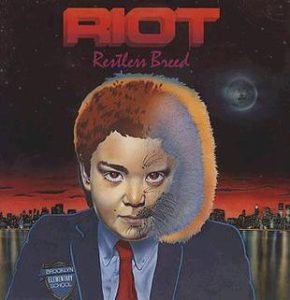
Throughout 1982, Riot toured with major acts such as Scorpions and Whitesnake, benefiting greatly from Rhett’s confident stagecraft. Albums like Restless Breed and continued touring — including supporting Kiss on their Lick It Up tour — showcased his vocal strength but also placed increasing pressure on the band. Combined with managerial issues, these tensions ultimately led to Riot’s split in 1983.
Rhett continued his musical path, working on several projects before relocating to Paris to record Gone With the Wind, followed by Even the Score. Though critically appreciated, these efforts marked the later stages of his time in the spotlight.
After his time with Riot, Rhett Forrester continued to stay active in the hard rock and metal scene. He recorded and performed with several projects, including his solo albums Gone With the Wind and the follow-up Even the Score, which showcased his gritty blues-infused vocal style. He also collaborated with guitarist Jack Starr (Virgin Steele) on the album Out of the Darkness, contributed to Dogbone, and briefly worked with the band Dirty Water. Throughout these years, Rhett remained a passionate and determined musician, always seeking new creative outlets and opportunities to use his powerful voice. His career after Riot proved that he was a true rock journeyman — dedicated, resilient, and always driven by music, right up until his tragic passing.
Tragically, Rhett Forrester’s life was cut short in 1994, ending a career filled with talent, determination and unmistakable presence. Despite his untimely passing, his contributions to Riot and to the world of hard rock continue to resonate with fans who remember him not only as a singer, but as a true force of personality and voice.